AGP Executive Report
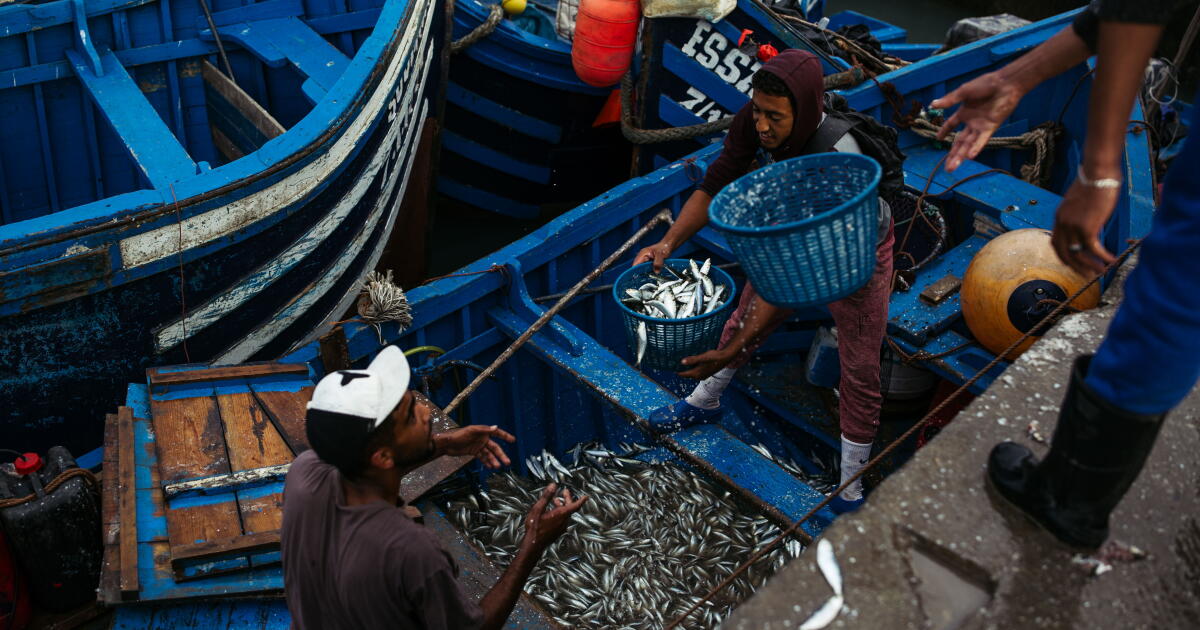
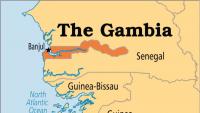
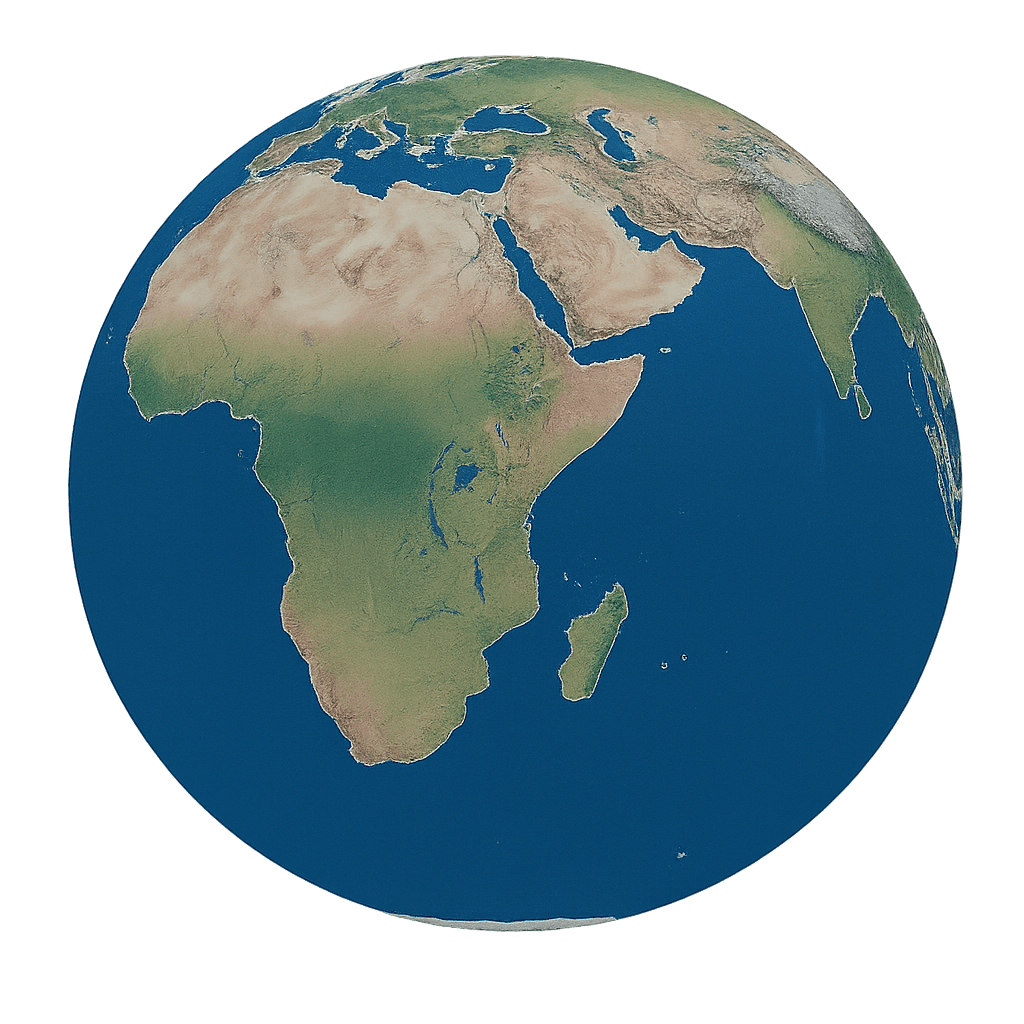
Last update: 7 hours agoFishmeal Pollution: A global investigation into seafood supply chains revisits the 2021 unrest in Sanyang, where residents protested pollution linked to the Nessim fishmeal plant. It traces the industry’s hidden social and environmental costs from fishing to seafood retail. Forest Climate Finance: The Gambia joined a West African workshop in Ghana on preparing to access REDD+ funding for forest protection. Participants focused on the monitoring, reporting and governance systems needed to qualify for results-based climate finance. Great Green Wall: A new $78 million UN-backed programme aims to restore more than 270,000 hectares of degraded land and support five million people across nine countries, including The Gambia.
Note: AI summary from news headlines; neutral sources weighted more to help reduce bias in the result. Feedback is welcome. Please let us know if you have any comments or suggestions about the AGP Executive Report.
 Perspectify News